
On a national scale, biodiversity is typically monitored using indicator species such as birds and pollinators. Protecting these species indirectly protects many other species that share the same habitats. Measuring biodiversity at an individual farm level remains logistically challenging with most indicators being tracked at a regional or national level.
We will support farmers to protect nature and restore biodiversity and ecosystems which are the foundation of a stable food system.
Progress
Ireland
The focus for the beef and lamb sector centres around the quantity and quality of habitat areas. SBLAS data demonstrates a continued increase
in biodiversity measures deployed across livestock farms to enhance the quality of habitats, particularly hedgerows, trees and field margins.
Biodiversity is a priority within Activate Ireland. It is delivered as a dedicated module in the online training programme, and participating farmers are encouraged to implement practical actions that enhance and improve biodiversity on their farms.
Developing a robust, credible and consistent approach to measuring and monitoring the impact of on-farm actions on habitats, as well as a roadmap or practical implementation guide are important next steps. We are exploring the use of a GPS remote assessment tool to assist in this regard, as well as working with Bord Bia and Teagasc to trial and scale a solution through AgNav.
United Kingdom
We are working directly with more than 160 Activate UK farmers to measure, manage and improve biodiversity and habitat creation.
Actions include:
- Farm Baseline Habitat Mapping and Assessments being undertaken both remotely and in-person.
- Data collection included bird species, flora, hedgerow structure, crop and livestock density, habitat management, Space for Nature and habitat connectivity.
- Soil sampling and counting earthworm populations.
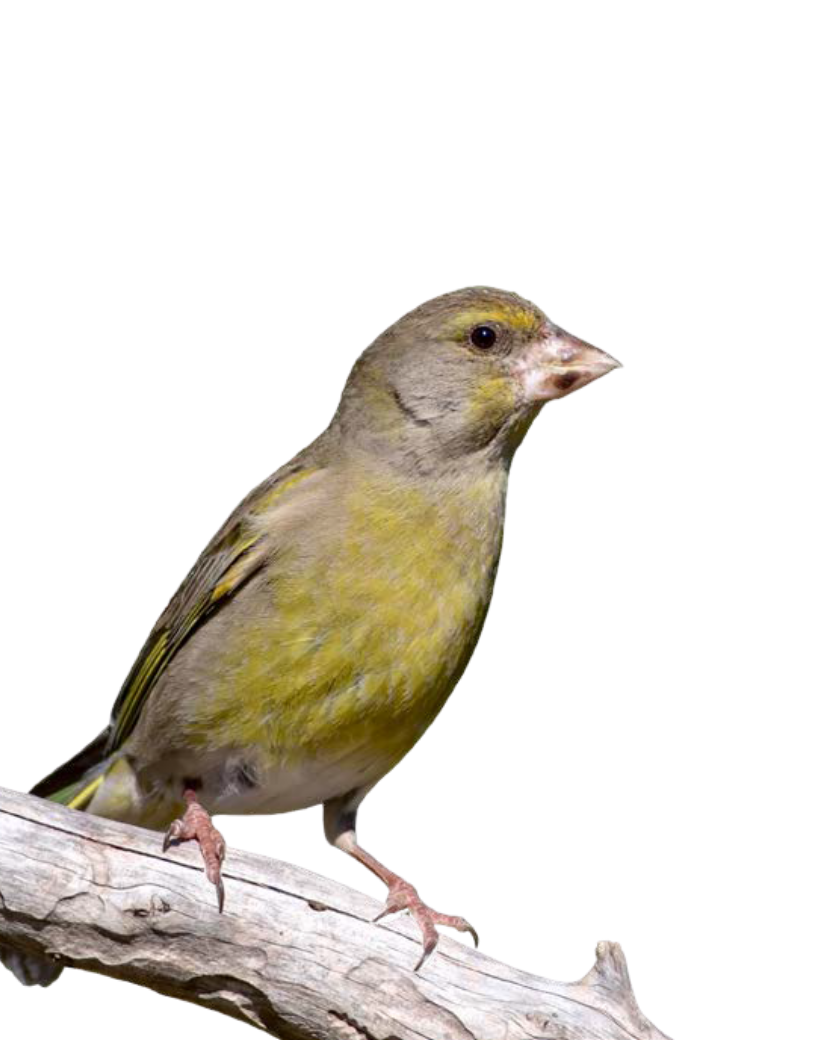
- Monitoring the presence of different bird species and their activity.
- Provision of Farm Biodiversity Reports and recommendations to create and enhance habitats.
Monitoring Pollinators using Soundwave Technology
AgriSound bioacoustics monitoring was implemented in 2023 using 15 devices across 2 farms to acquire real-time data on pollinator activity over a 3-year period.
Results & Insights
Since the implementation of the programme has strengthened our understanding of pollinator activity within livestock farming systems.
Key Outcomes Include:
- Highest pollinator activity on the farm was among the modified grassland, equating to 101% higher pollinator activity than compared with pasture and 67% higher pollinator activity levels compared with bogs located on farm.
- Further insight has been gained into seasonal modelling, showing the need for seasonal floral availability and habitat quality to sustain pollinators throughout the year.
- Pollinator behavioural trends have also been identified, including peak activity times, and weather trends which impact activity.

Shane Keaveney’s Farm
in County Roscommon, Ireland
Shane and his family manage a successful suckler-to-beef enterprise in Co. Roscommon. Farming 37 hectares of grassland divided into three blocks, the farm is stocked by 35 suckler cows and their calves. Male calves are finished as under-16-month bull beef and processed at our Ballyhaunis, Co. Mayo site. Heifers are sold as forward stores.
Through his participation in Activate Ireland, Shane has implemented a tailored farm plan, including the use of protected urea, lime application to correct soil pH, clover incorporation, and a comprehensive nutrient management plan.
These practices highlight his proactive approach to soil and grassland management, helping to minimise nutrient loss and safeguard the natural environment. Knowledge gained from the Activate online training course has been instrumental in shaping his farm’s sustainability plan.
Biodiversity and water quality are central to Shane’s farm management. Since joining the Irish Government ACRES Scheme in 2023, he planted 120 metres of hedging and created valuable habitats for wildlife. Additionally, watercourses on the farm are protected by 1.5-metre riparian margins, further promoting wildlife conservation.
Shane was awarded the Suckler Beef Enterprise Award at the 2024 Teagasc FBD Environmental Sustainability Awards.
Creation of Birdseed Mix
for Supplementary Feeding and Wild Game Cover Crops in Northamptonshire, England
Planting of wild bird seed mixes and supplementary feeding of own grains to help with the ‘hungry gap’ for farmland birds.
Wild game cover crop sown on this farm provides a habitat mosaic and shelter for ground-based farmland birds.